Insights
-
Why is our design system stalling?
Sector:
Technology & SaaS
Overcoming the core challenges of design system implementation
Scaling digital products requires more than just a library of buttons. Understanding the common hurdles of design system adoption is essential for maintaining long-term website usability.
Three key methods used in this
insight
UI Design
visual design
design system
The architecture of digital consistency
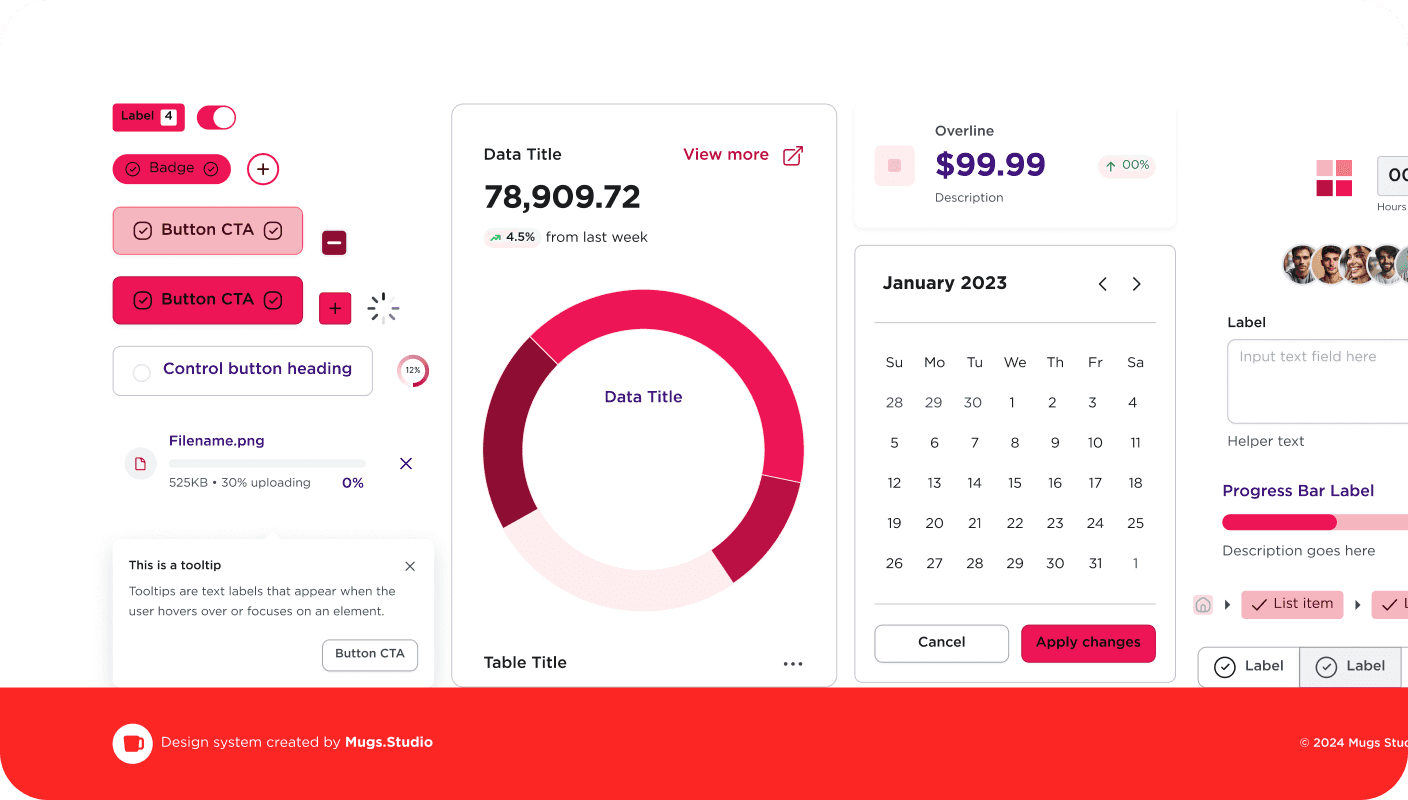
A design system is intended to be the foundational architecture for maintaining visual and functional harmony across an organisation's digital products. When implemented successfully, it moves a team from building bespoke, hand-crafted pages to using a standardised assembly line of high-quality components. This transition is designed to free up creative resources to solve complex user problems rather than redesigning basic interface elements.
However, as organisations scale, the shift from a collection of static assets to a living, integrated infrastructure often reveals significant friction points. The following challenges represent the most common barriers to achieving a seamless digital ecosystem.
The primary hurdles of implementation
The implementation of a design system often hits a "maturity wall" where the initial library of components fails to meet the practical needs of the broader organisation.
1. Tooling and environment mismatch
A significant hurdle in the implementation process is selecting an environment where designers and developers can coexist effectively. Designers typically operate in high-fidelity visual sandboxes, while developers work within rigid technical constraints and codebases. When the design tool does not share the same technical metadata as the development environment, a "translation gap" occurs. This leads to inconsistencies in the final product, negatively affecting the visitor's experience.
2. The design vs. tech tug-of-war
Conflict often arises between a design's visual intent and the technical realities of implementation. Designers may prioritise pixel-perfect aesthetics, while developers must prioritise performance, browser compatibility, and accessibility. Without a shared understanding of these constraints, the design system becomes a source of friction rather than a facilitator of efficiency.
3. The documentation gap
A component library without context is merely a "bucket of parts." Many systems fail because they provide the what (the component) but neglect the why and how (the usage guidelines). Documentation debt occurs when there are no clear rules on how components should behave in different scenarios. This lack of guidance leads to "creative deviations" that clutter the interface and confuse the user.
4. Lack of specialised skills and ownership
Managing a system at scale requires a specific skill set that bridges the gap between design and engineering. Systems often stall because they are treated as temporary side projects rather than permanent, dedicated products.
Skills deficit: The team may lack the systems-thinking expertise required to build scalable patterns.
Vague ownership: Without a designated team responsible for maintenance, the library quickly becomes a graveyard of outdated and orphaned components.
5. The adoption hurdle and technical debt
Organisational adoption is the ultimate measure of a system's success. If the library is difficult to use or the migration path is unclear, product teams will revert to building bespoke solutions. This leads to the accumulation of technical debt, where legacy code persists alongside new patterns. The resulting fragmentation makes the website feel disjointed and difficult to navigate, directly undermining website usability.
The solution: Transitioning to a product mindset
To overcome these roadblocks, the organisation must stop viewing the design system as a "finished" project and start treating it as an evolving product.
Moving from library to ecosystem
A resilient system focuses on the social and technical infrastructure that supports it. This includes:
Design tokens: Using variables to store visual data (colours, spacing) so updates sync automatically across all platforms.
Federated governance: Allowing various product teams to contribute back to the core library to ensure it meets real-world needs.
Continuous maintenance: Treating the system as a service that requires regular audits, performance tuning, and accessibility updates.
When internal friction in building digital products is reduced, the quality of the end-user experience naturally improves. By addressing these core implementation challenges, organisations can ensure their design system provides a stable, predictable, and high-quality journey for every visitor.
You might find these helpful
A few related articles that build on what you’ve just read.